
Pennsylvania Parole Board Roles
The Pennsylvania Parole Board is the state decision agency. It reviews parole matters and issues the official written result. The Pennsylvania Department of Corrections performs a different role: it manages custody and field supervision, and it carries out operational release steps after approval. County probation and county parole are local or court systems. A probation matter is not placed on the state parole interview track merely because both involve supervision.
Eligibility starts with the judicial sentence. Pennsylvania normally uses an indeterminate minimum and maximum. The minimum can mark a point when an eligible person may be considered, but it is not a promised release day. Under 61 Pa.C.S. § 6137, ordinary parole does not apply to a death or life sentence, and other statutory rules can affect eligibility and procedure.
The Parole Interview page is the official public account of the Pennsylvania parole hearing process.
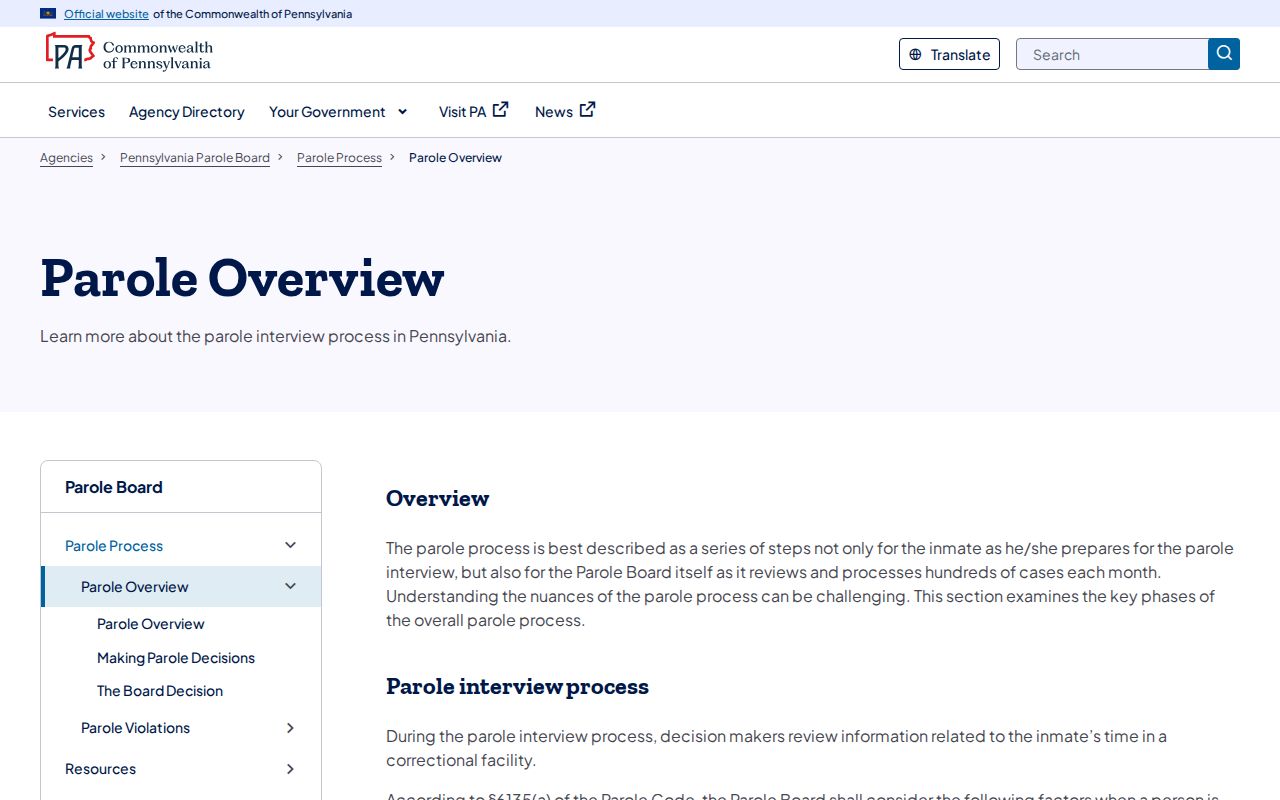
It describes case processing and interviews, but it is not an individual calendar.
Find a Pennsylvania Parole Hearing
As of August 12, 2026, the Board publishes no person-by-person hearing or interview calendar and gives no public calendar update schedule. Its statement that hundreds of cases are reviewed each month describes workload, not a searchable docket. Short Sentence Parole cases do not require an interview, which is another reason an assumed hearing date may not exist.
- Use the UJS Case Search to identify the state sentence, minimum and maximum terms, docket, and later orders.
- Check the DOC inmate record for the correct person and SCI. Use a DOC or parole number when available rather than relying on a name alone.
- Review the Board’s official process material to identify the applicable track, including ordinary parole, reparole, RRRI, or Short Sentence Parole.
- Ask the incarcerated person or authorized channel about the interview notice and later Board Action. There is no public calendar search to substitute for that record.
- Use the Board contact route for a record request or procedural question. State the full identity, institution, and identifying number if known.
The state court portal helps identify the sentence that frames parole eligibility.
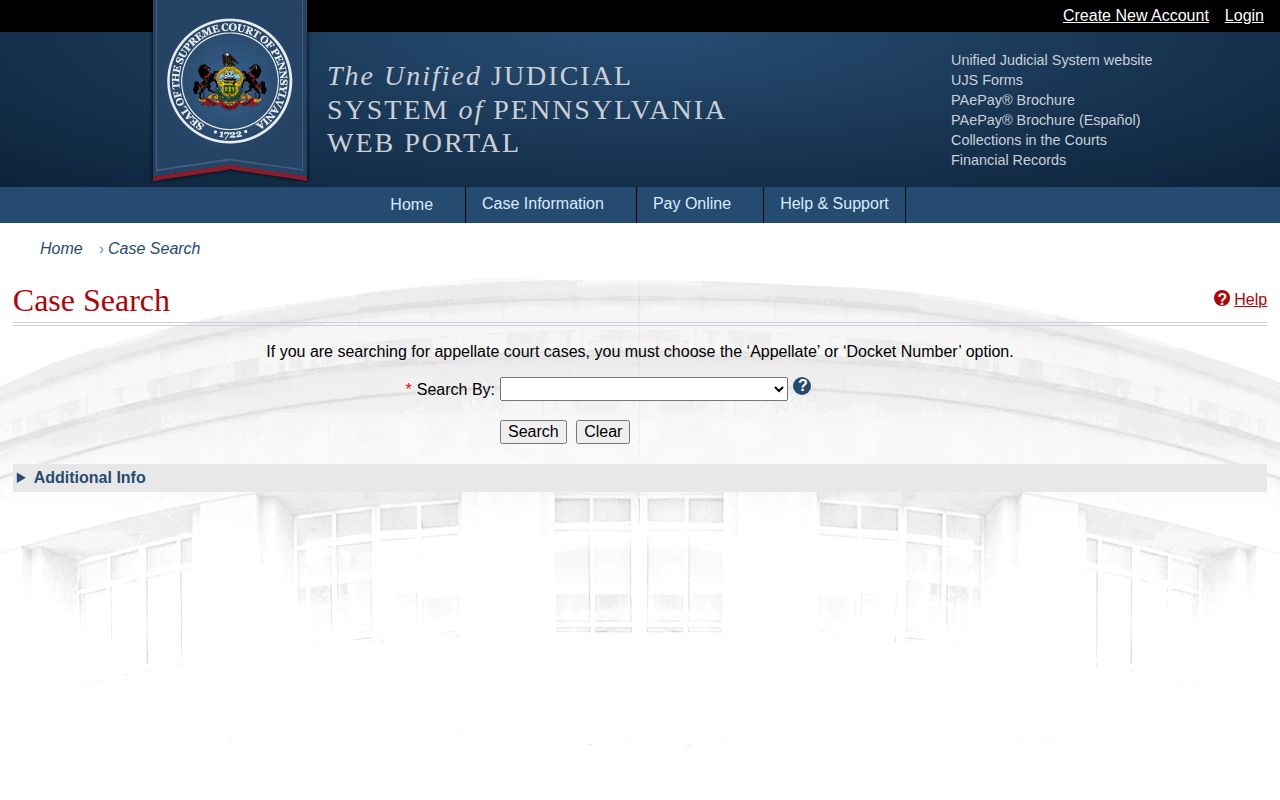
A court docket may show the legal dates, but it does not publish the Board’s interview calendar or a prison gate time.
Note: The Pennsylvania Board of Pardons meeting calendar concerns clemency and must not be used as a parole hearing schedule.
Find Pennsylvania Parole Decisions
The Board also has no public name or ID decisions-results database. The official individual result is the written Board Action, historically called PBPP-15. It is delivered first to the incarcerated person. The Board handbook states that an initial parole or reparole decision can generally take up to six weeks after interview, depending on the case. That is a general processing estimate, not a fixed deadline for every action.
- Confirm the interview occurred and allow for the applicable decisional process. Some matters use a two-vote panel, while specified cases require a Board majority.
- Obtain the Board Action from the incarcerated person when it is delivered. Read the action date, outcome, review or effective language, and stated prerequisites separately.
- After delivery, use the Board contact page or Secretary’s Office route to seek a copy for another requester.
- Check the DOC offender search for later custody or supervised-person information. A supervised record with a Release Date can show that institutional release actually occurred.
- Reconcile the Board record with DOC and the receiving system. A grant can remain pending and does not prove community release.
The official Board Action request route is the correct public next step after the action has been delivered.
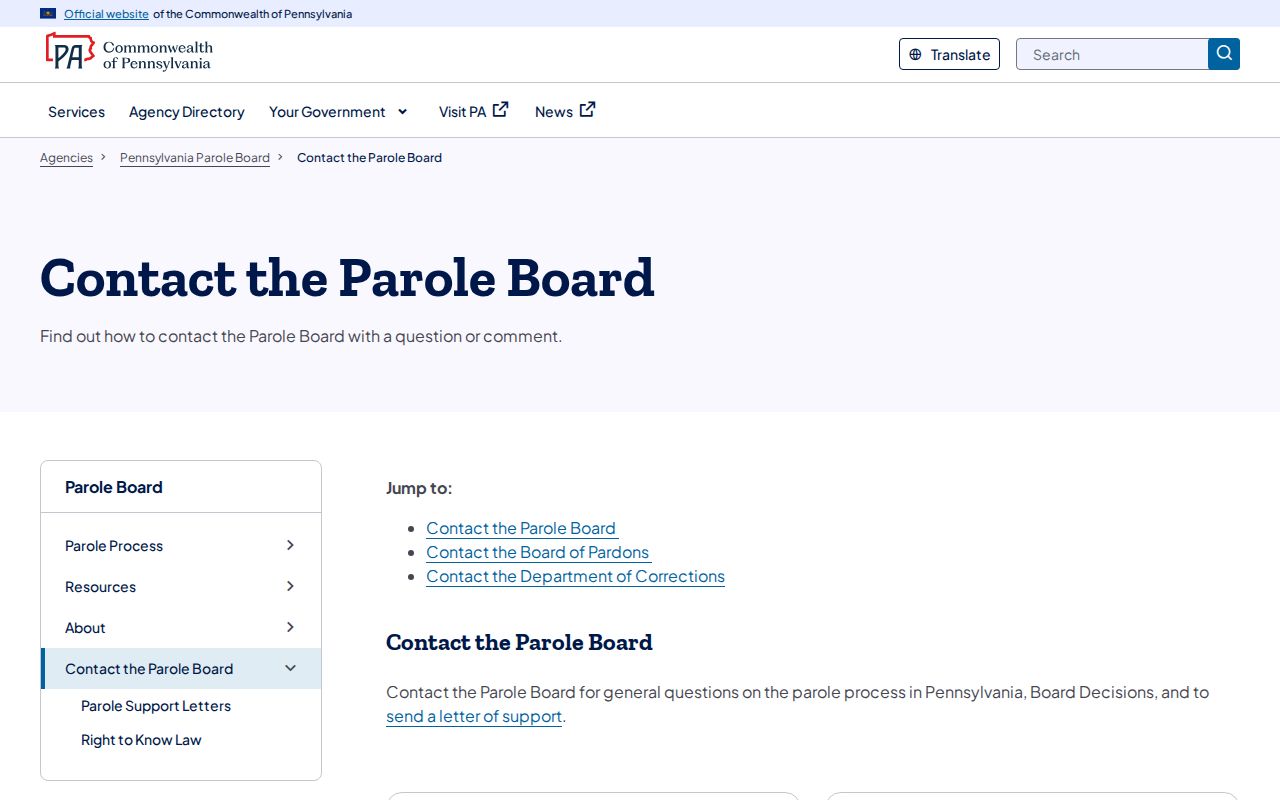
It should not be described as an instant decisions lookup because no such public database was verified.
Pennsylvania Parole Hearing Outcomes
Outcome words answer only the Board question. They do not all describe the person’s custody on the date someone searches. The written action controls the exact result, conditions, future review language, and any vote detail available in that record. Avoid converting a favorable action into a release date without later DOC evidence.
| Outcome | Meaning | What follows |
|---|---|---|
| Granted | The Board approved conditional release under stated terms. | DOC completes prerequisites and later processes release if all requirements are met. |
| Denied | The Board did not approve release in that action. | The action may state review timing or work expected before later consideration. |
| Deferred or continued | A final decision or step awaits more information or process. | The case remains unresolved until the stated next action. |
| Rescinded | An earlier approval was withdrawn before release. | The person remains in custody unless another lawful release basis applies. |
| Recommitment | A parole violation matter returned the person to DOC custody. | Later reparole follows its own review and decision path. |
Pennsylvania Parole Eligibility Dates
Under Pennsylvania’s indeterminate structure, the ordinary minimum is a possible eligibility point for an eligible person. The maximum is the sentence ceiling after applicable credit and later legal events. Reaching the minimum does not create a right to parole. The Board considers the record described in its process materials and votes through the required structure.
RRRI and specialized programs use their own statutes and conditions. A person on an RRRI track still must satisfy the required programming, conduct, release-plan, conditions, and risk findings. Short Sentence Parole can proceed without an interview. These differences show why a missing interview listing is not proof that no parole process exists.
After actual release, Pennsylvania parole and probation verification shifts to the supervised-person locator, assigned office, and controlling court or Board records.
Note: Sentence labels should be read from the court and Board records, not calculated from a generic percentage or assumed public calendar.
Pennsylvania Parole Pending Release
Pennsylvania’s joint DOC and Parole Board reporting treats “approved for parole but pending release” as a distinct operational group. That category matters because approval and departure are separate events. Home-plan review, program completion, a detainer, documents, and other administrative steps can remain after a favorable vote. DOC says an in-state home-plan investigation can typically take up to 45 days.
The DOC reports and dashboards publish aggregate release and parole measures.
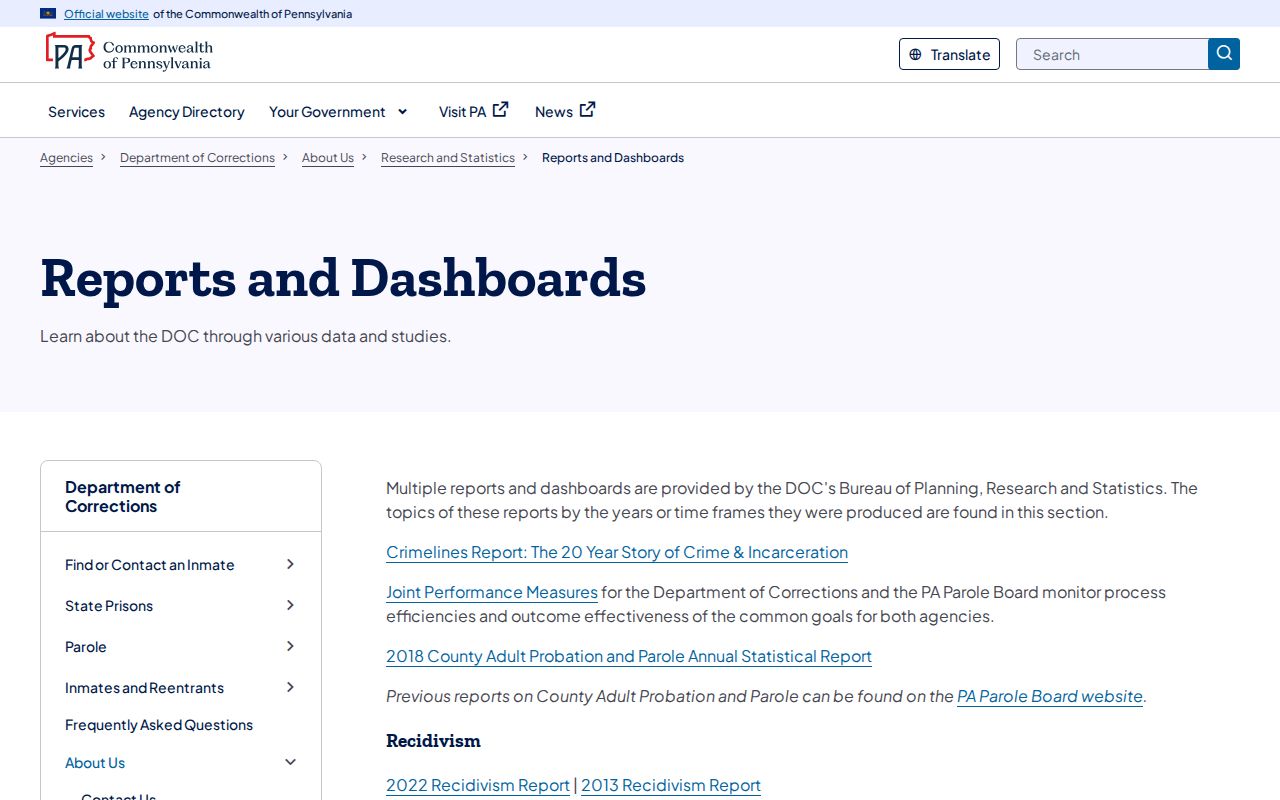
These reports show system trends, not the decision or release status of a named person.
A home plan is the proposed approved residence and supervision plan. Its review can continue after a grant. A detainer is another authority’s hold or request, and it can mean an SCI exit becomes a transfer rather than a return to the community. The actual release record must therefore come from DOC or the receiving custodian.
Pennsylvania Pardons Are Separate
The Pennsylvania Board of Pardons handles clemency. Its published meeting dates do not announce Pennsylvania parole interviews, and its recommendations are not Board Actions from the Pennsylvania Parole Board. Clemency can affect a legal record through a separate constitutional and administrative path. It must not be used to fill the gap left by the absence of a public parole calendar.
For one person, keep four dates distinct: the sentence’s eligibility point, the interview or review date if one exists, the Board Action date, and the later physical release date. The systems record different events. Combining them can turn an accurate source into a false release claim.
Read Pennsylvania Board Actions
A Board Action should be read as a dated decision record. Start with the person’s name and identifying number, then locate the action date, outcome, any future review language, and the terms tied to approval or denial. Do not lift one word, such as “grant,” from the document while ignoring prerequisites or later action. Reparole, rescission, and recommitment records answer different procedural questions.
The action date is when the Board recorded its decision. An effective date or review date has the meaning assigned in the document. Neither should be relabeled as the physical release date unless DOC evidence shows the institutional separation occurred then. The supervised-person locator’s Release Date is stronger public evidence of departure into state supervision, but even that field does not establish final sentence discharge.
When a requester cannot get the action directly from the incarcerated person, the Board contact route is the official path after delivery. Include the complete identity and DOC or parole number if known. Ask for the existing Board Action rather than a custom account of the case. The Board’s public monthly statistics cannot supply an individual result because they summarize statewide outcomes by reporting period.
Pennsylvania Parole Statistics
The Board publishes monthly statistical reports. They are appropriate for dated totals, trends, and statewide context. Every figure taken from those reports should retain its report month and category. An aggregate grant count cannot show that a named person received parole, and a parole population total cannot confirm the status of one search result.
System dashboards also separate people approved for parole but pending release. That category guards against a false inference from aggregate approval numbers. Some approved cases still await home-plan review or another release step. Others may have detainers or administrative requirements. Only the individual action and later custody evidence resolve a named person’s path.
Use statistics to understand the scale of Board work, not to fill an absent calendar. The statement that hundreds of cases are processed each month does not imply a public monthly name list. Likewise, an updated statistics page does not establish any cadence for individual hearing notices or decisions. Those records remain case-specific.
Note: Always pair a statewide parole statistic with its report period, definition, and source instead of treating it as a live case count.
Confirm Pennsylvania Parole Release
After a grant, confirmation moves from the decision system to custody records. Search DOC’s inmate mode and supervised-individual mode with the best identifier available. An inmate result indicates current DOC jurisdiction at the update time. A supervised-person record with a Release Date indicates that the person left institutional custody for supervision. If neither mode resolves the question, check the docket, receiving system, and focused DOC records route.
A person can leave an SCI without returning directly to the community. A detainer, county case, federal matter, immigration custody, hospital transfer, or another jurisdiction can become the next custodian. PA DOC’s own reporting places some transfers and released detainers in an “other” exit category, which shows why an institutional exit cannot automatically be called community release.
Record the Board Action date, displayed DOC status, Release Date if present, facility or district, and each source’s last update. If the records conflict, compare their time sequence before deciding which describes the latest event. The most accurate conclusion may be limited: approved but pending, released to supervision, transferred, still in custody, or not found with the available inputs.
Monthly Board statistics cannot resolve that conflict. They report groups, not named cases. A UJS docket can establish the sentence and later judicial orders, but it is not an SCI movement record. A focused DOC request can seek an existing separation entry when the public locator lacks the needed detail. These sources work best as a timeline, with each fact kept under the agency that created it.